



Mould Remediation & Cleaning
- One-stop fully managed mould remediation service
- Fully trained technical experts
- Fast, reliable service at competitive prices
- Advice on preventative measures and drying requirements
- Trusted by leading insurers and housing associations
Mould Remediation
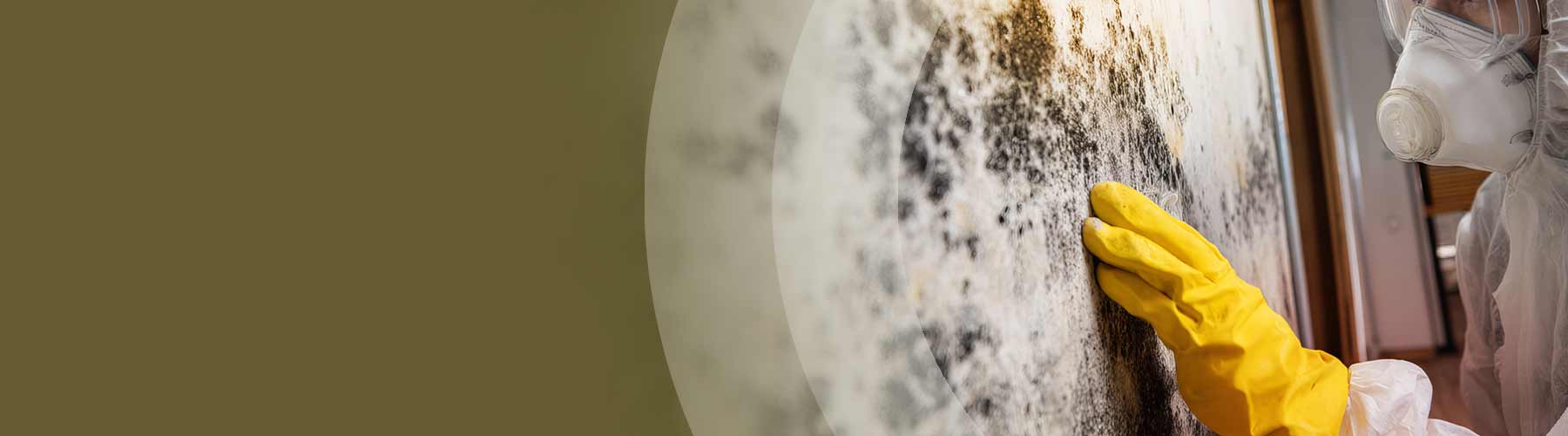
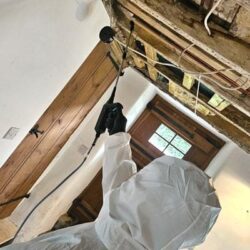
Our MRUK Mould Remediation teams are fully trained in mould remediation, decontamination and cleaning, and follow exacting mould removal protocols and standards as advised by national UK Health & Safety regulations.
What is Mould?
Whilst completely natural and commonly occurring, their microscopic spores are airborne and ubiquitous, and will easily colonise almost anywhere, including in our homes and business premises.
Like most living organisms moulds require moisture and an organic ‘food’ source in order to survive. For moulds this generally arrives in the form of materials such as wood, and this is why they will commonly thrive upon damp window sills, wallpapered walls and plasterboard that have been exposed to excessive moisture, or escaped water.
MRUK is a mould remediation specialist with over 25 years experience in removal and mitigation—we have developed our own systems and solutions to handle the remediation and any related projects, providing additional services such as Leak Detection to find and fix the source of the water leak and specialist drying technique to eradicate further damage.
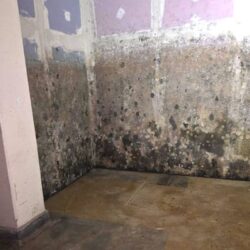
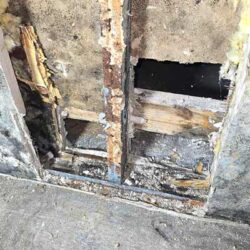
Common types of mould include:

Aspergillus
Beside its effects on the lungs, Aspergillus can affect other areas of the body such as the sinuses. In the sinuses it can cause a stuffy nose which may be accompanied by fever, facial pain and headaches.
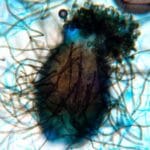
Chaetomium
Typically found in soil, air, and cellulose-rich materials like plant debris, Chaetomium can be identified by its cotton-like texture and musty odour, often appearing in buildings with moisture problems. While generally saprophytic, some species can cause infections, especially individuals with a weak immune system.

Penicillium
Whilst the health benefits of medical penicillin is without question, some species of Penicillium produce toxic compounds that can cause serious health problems if ingested or inhaled, leading to skin rashes, sore throat, and eye irritation.
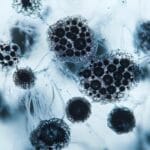
Stachybotrys
Commonly known as black mold, Stachybotrys is often found in damp and poorly ventilated buildings with materials such as wood, plasterboard and wallpaper affected by water damage or high humidity. While not always toxic it can produce mycotoxins, which can pose health risks, particularly for individuals with allergies or weakened immune systems.
What are the risks?
Although the damage that mould infestations can cause to a domestic or commercial property and its contents is clear in terms of maintenance and repair costs, the presence of mould can also have a serious affect on the health and wellbeing of the occupants and employees.
For example, prolonged exposure to Mycotoxins, produced by certain types of mould, can pose health risks when present in properties, particularly in damp and poorly ventilated environments.
Exposure can occur through ingestion, skin contact, or inhalation, and can lead to various health issues, ranging from respiratory problems to more severe conditions.
Symptoms of exposure include:
Respiratory Issues: Mould and mycotoxins can trigger or worsen asthma, coughing, wheezing, and other respiratory problems.
Allergic Reactions: Skin rashes, itchy, watery eyes, sneezing, and nasal congestion are common allergic reactions to mould spores.
Immune System Suppression: Individuals with weakened immune systems are more susceptible to mycotoxin-related health problems, as their bodies may struggle to fight off infections.
Other symptoms might include: Fatigue, headaches, gastrointestinal issues, reproductive problems, and in severe cases, even cancer (particularly with aflatoxins) have been linked to mycotoxin exposure.
Common causes
Unfortunately mould is often only identified when the colony has grown enough to become visible, although the presence of mould can often be detected as a result of its affect upon people with specific mould allergies.
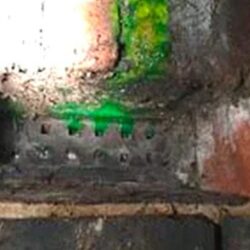
Mould growth that reaches this level will generally be attributed some form of damage or defect to or within the property, such as slow leaks in plumbing or drainage, damage roofing, or failed damp proofing to name but a few.
All of these faults will inevitably encourage damp or condensation issues, especially in properties with insufficient ventilation.
The presence of mould in properties can be commonly attributed to:
- Flood damage to property and contents
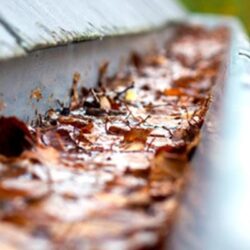
- Leaks from plumbing, blocked gutters or broken drains
- Building defects and maintenance related issues
- Lack of sufficient heating and ventilation
- Rising damp or penetrating damp
- Damage to brick, stonework, mortar joints and windows

The Benefits of Specialist Mould Remediation
MRUKs mould remediation services offer significant benefits by improving health, preserving property value, and preventing future infestations. Addressing mould issues promptly through professional remediation reduces health risks associated with allergies and respiratory problems, protects the structural integrity of buildings, and can prevent costly damage from recurring mould growth.
Expert identification and assessment
We assess not just visible mould, but mould hidden or spread behind all building materials, and aim to identify the underlaying moisture source so the necessary fix can be put in place.
Safe and effective removal
Specialist processes include controlled containment, HEPA filtration, safe disposal of affected materials, and advanced cleaning using non-harmful biocides. Unlike simple DIY treatments—this ensures spores are not spread during treatment.
Comprehensive moisture control
Mould thrives in damp environments. We don’t just treat the surface; we also address root causes, such as leaks or condensation, using drying systems and other specialist equipment, and ventilation enhancements to prevent recurrence.
Health-first approach
We follow strict health and safety protocols. Our methods protect both inhabitants and the treatment team, reducing exposure to spores and toxins.
Improved indoor air quality and comfort
Effective remediation removes unpleasant odours and restores a fresh, healthy environment, improving respiratory comfort for everyone in the building.
Our Process
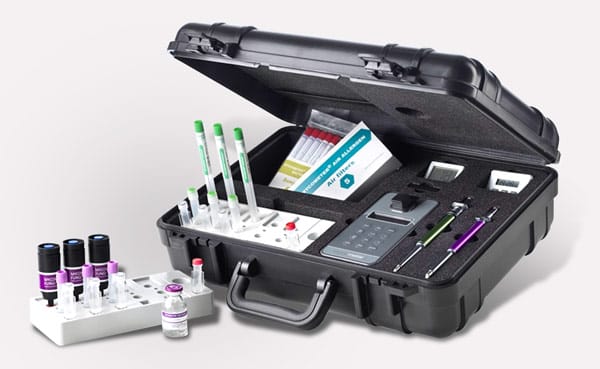
Initial Inspection
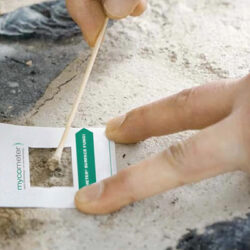
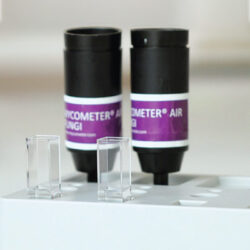
- Air and Surface Sampling and reporting by Mycometer certified technicians
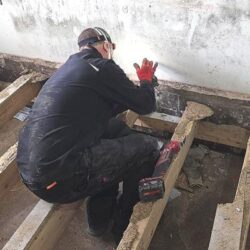
- Mould Remediation often using containment chambers under negative air
- Post clearance air and surface sampling and certification by Mycometer certified technicians
Advantages to using our system
Pre and post mould remediation analysis provides:
- Rapid assessment
- Highly reproducible and quantitative results
- Accessible and independent reports
Range of Applications
To determine if a room is a source of fungal growth or adjacent areas are contaminated:
- Assessment of the likely exposure to fungi and allergens
- Rapid post remediation results and certification
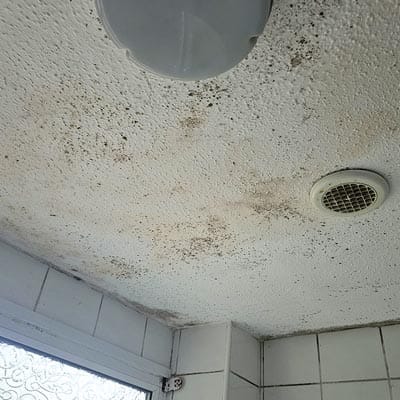
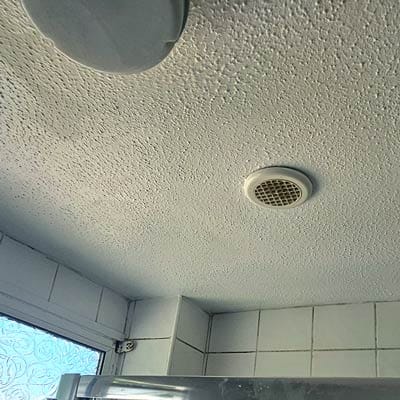
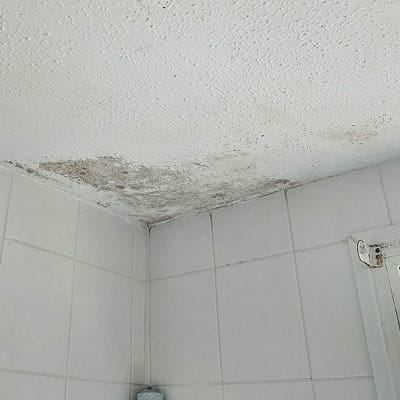
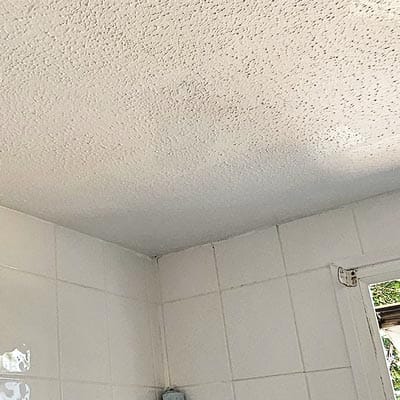
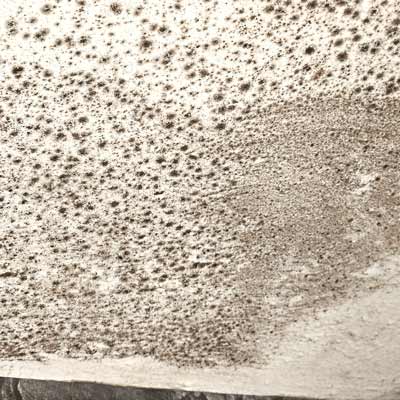
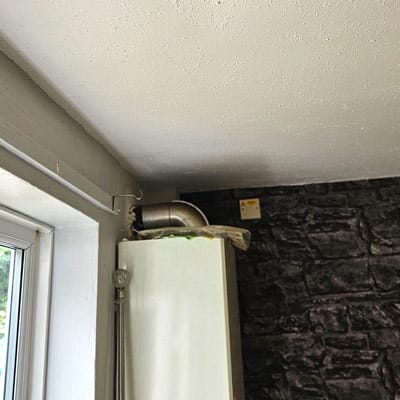
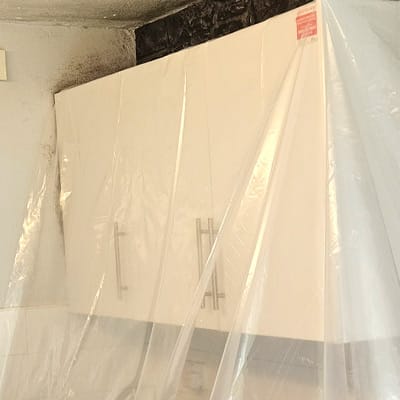
Before & After
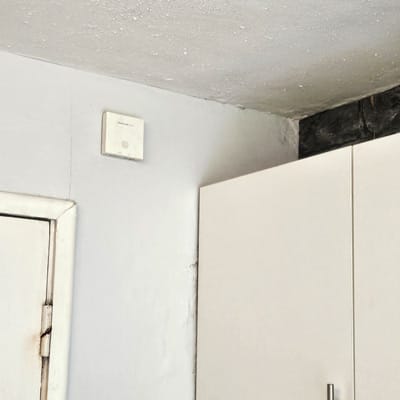
Thank you for your interest in our Mould Remediation and Cleaning Services.
For more information please call now on 0808 1467707, or submit your contact details in the form, and a member of the team will get back to you as soon as possible.
Domestic. Commercial. Professional.